

Have you ever looked at the small print on food packaging and wondered why some products have such a long list of ingredients?
Preservatives, stabilisers, thickeners, colourings, flavourings... What are all those extra ingredients for, and should we be concerned about them?
To understand what goes into the foods we buy, we turned to our dietitian Bérénice Jaime. This is our Question of the Month.
Dietitian Bérénice Jaime's take
A teenage girl I work with recently asked me, after checking the labels on the foods she was eating: “Why do some products have such a long list of ingredients?” It was a really good question.
At home, our recipes are usually straightforward. To make a soup, for example, we use a few vegetables, water, a little oil, salt and herbs. And we don't need it to keep for months, or to hold exactly the same texture and colour for weeks on end.
With commercially produced foods, though, ingredients can serve all sorts of purposes. Preservatives help extend shelf life, stabilisers and thickeners give a particular texture, while colourings, flavourings and flavour enhancers can improve or maintain how a product looks and tastes.
European regulations also require certain ingredients, allergens in particular, to be clearly listed on the label.
So, should a long list worry us? It doesn't automatically mean a product is bad for us. But it is a good reason to take a closer look at what we buy and, whenever we can, to favour home cooking.
The key point: a long ingredient list doesn't automatically mean a product is unhealthy. What matters is understanding what we eat and making informed choices.
Bérénice's advice
Helping children understand food labels is a simple way to develop their curiosity and encourage good eating habits. Here are three ideas to try at home.
Keep it simple
Show children that a few basic ingredients, some spices and fresh herbs are all you need to make something delicious.
Compare and learn
You could compare the ingredients in a homemade cake with those in a shop-bought one. It is a great way to help children discover what goes into the food they eat.
Encourage curiosity
The aim isn't to make children afraid of what they eat, but to help them stay curious and make informed choices.
The DeliDej approach
No need for 200 ingredients to make children happy. They love dishes made with simple, recognisable ingredients.
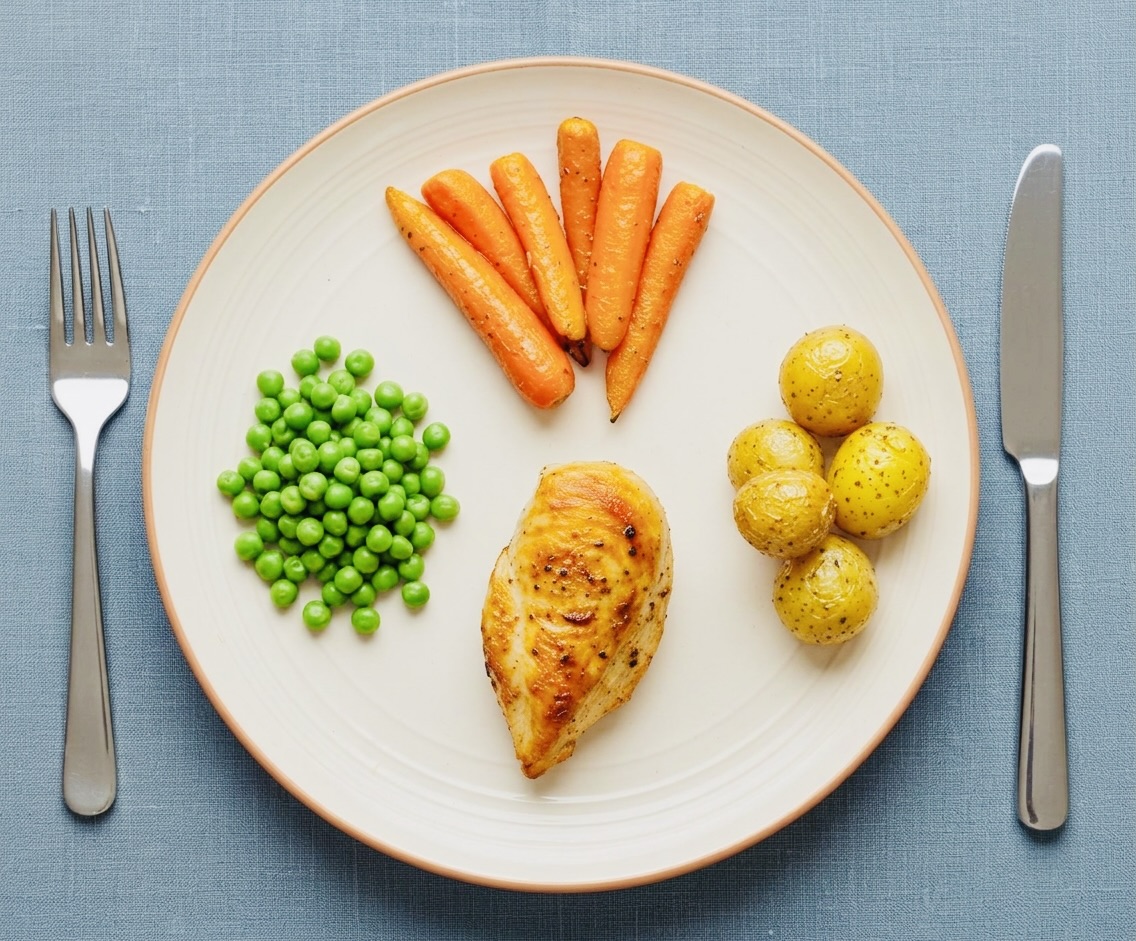
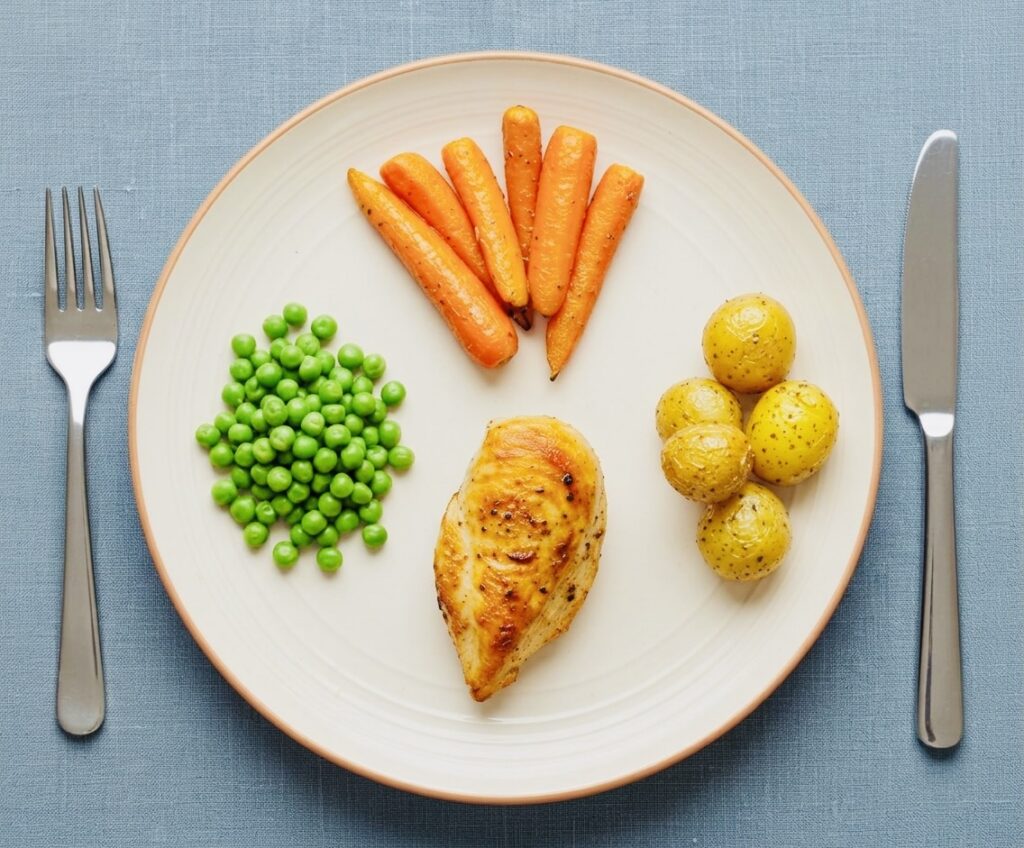
Chicken, potatoes and peas, for example: just three main ingredients for a complete meal. And deliciousness matters too: we want children to eat well, and to really enjoy their food.
We put home cooking first. Our meals are prepared the day before or two days before delivery. There's no need to keep them for weeks on end, so there's no need to add extra ingredients to extend their shelf life.
In short: simple food tastes good!